

AI search engines do not read web pages the way humans do. Instead of digesting an article sequentially from top to bottom, large language models (LLMs) scan web pages looking for clear, verified, and easily extractable facts. If your website relies on long conversational introductions, generic subheadings, and dense walls of text, generative search engines could skip your site and quote a competitor who presents their answers cleanly. Learning how to optimize content for AI search engines requires a fundamental shift from artistic prose to modular, structured content.
To structure content for AI search, there’s several items you need to focus your efforts on, such as placing a direct answer in the first sentence beneath explicit question-based H2 and H3 headings, using native HTML tables to present comparative data, using organized, bulleted lists for multi-step processes or ideas, and implementing structured JSON-LD schema markup.
This structured layout allows generative AI engines to easily read, extract, and cite key facts, data, and information in AI answer summaries and LLMs.
Use Question-Based Headers and BLUF Statements
When you start thinking about planning content around AI Search behaviors, headers and heading hierarchy does heavy structural lifting and is incredibly important. LLMs process content in "chunks," so if a subheading reads "A New Horizon for SaaS Growth," an AI crawler might not be able to determine what specific question the section answers.
Replace vague headings with explicit questions or statements that mirror natural buyer queries, such as "What is the Implementation Timeline for Enterprise Compliance Software?"
Directly under each heading, adopt the Bottom Line Up Front (BLUF) approach:
- State the core answer, definition, or key takeaway in the very first sentence.
- Follow the direct answer with supporting technical details, real-world context, or proprietary data in the sentences below.
Starting each section with a direct answer gives AI crawlers a clear, self-contained statement they can extract and cite immediately.
Format Data into HTML Tables and Lists
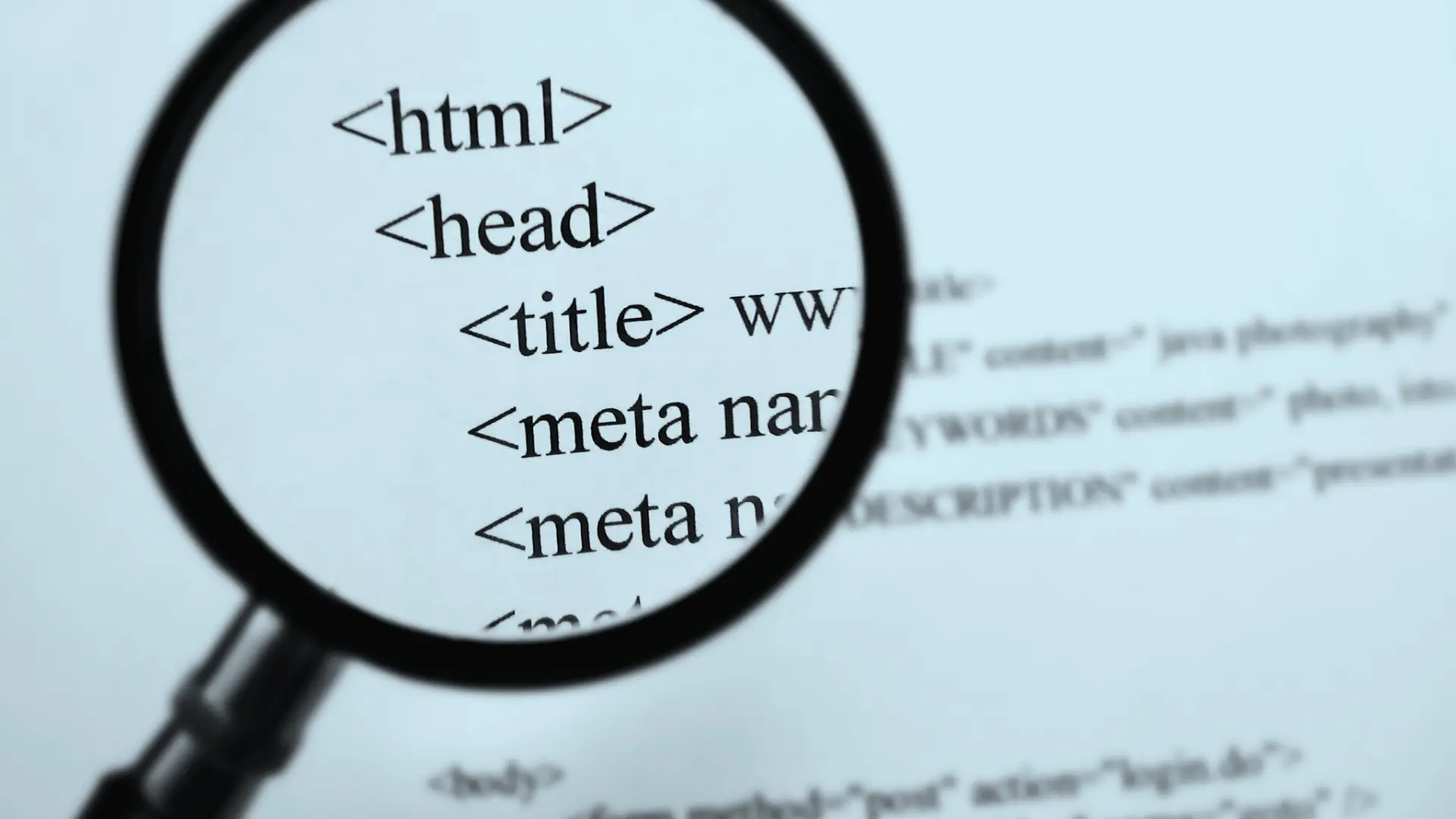 Paragraphs filled with raw numbers, feature lists, and vendor comparisons are difficult for machine crawlers to evaluate quickly. To optimize content for AI search, present comparative information using standard HTML formatting rather than narrative text.
HTML Tables for Comparison
Present technical feature matrices, pricing tiers, and compliance requirements using standard <table> code. AI models easily read row-and-column structures to compare variables across data sets.
Bulleted and Numbered Lists
Organize sequential workflows, implementation steps, and key product features into short bulleted items. Lists signal to crawlers that the information is structured, logical, and easy to summarize.
Citable Evidence: AI Search Extraction Benchmarks
- Extraction Rates: According to Princeton University, Georgia Tech, Allen Institute for AI, and IIT Delhi, data formatted in clean HTML tables is extracted and cited by AI answer engines up to 40% more often than identical information presented in dense paragraphs.
- Snippet Dominance: According to Ahrefs, pages featuring BLUF direct-answer blocks capture up to 3x more zero-click summary placements across Google AI Overviews and Perplexity.
"AI engines don’t read content for entertainment—they crawl websites looking for structured facts they can instantly trust and quote. Structuring your site for machine readability isn’t just an optimization tactic; it is the only way to protect your digital footprint and ensure your software stays on your buyers' shortlists as traditional search continues to evolve."
— Kerry Guard, Founder & CEO of MKG Marketing
Balancing AI Readability with Human Conversion
 Learning how to optimize content for AI search does not mean turning your website into a cold, robotic database. Executive buyers appreciate clean, scannable layouts just as much as AI crawlers do.
When you organize complex technical concepts into clear headers, direct summaries, and comparative tables, you help human visitors find the information they need faster. A well-structured page helps a busy marketing experts find the exact feature comparison they need, increasing the likelihood that they click through to request a demo or book a call.
To build a complete digital presence, pair your on-page structural optimizations with targeted Digital Advertising to capture sponsored intent.
Scannable Content Wins AI Recommendations
 Structuring web content for AI search comes down to clarity, precision, and efficiency. By replacing dense prose with BLUF answers, question-focused headers, and HTML tables, you ensure that conversational engines can verify and quote your brand.
At MKG Marketing, our senior-led team specializes in building modern search strategies that protect your digital footprint. Through our dedicated Search Visibility Optimization (SVO) framework, we help software companies format their content for machine readability with zero junior handoffs.
- Ready to see if your web content is machine-readable? Explore our Search Visibility Optimization (SVO) Services or book an SVO content review today.
- Want to discuss your search structure directly with our experts? Contact the MKG Marketing team to schedule a consultation.
- Want to learn about the key metrics that measure AI reach? Read our guide on The 4 Core AI Search Visibility KPIs You Must Track.