Executive Summary (The TL;DR)
- Search Becomes an AI Assistant: At Google I/O 2026, Google officially shifted from a traditional link directory to an AI-driven assistant ecosystem. The classic search box is being replaced by a conversational screen that focuses on long, detailed prompts and uploaded files rather than simple keywords.
- Core Update Waves Shake Up Rankings: Google launched its May 2026 Core Update on May 21, right alongside major design changes to its AI Search. This update is hitting sites hard if they rely on quick, superficial tricks to land AI citations.
- Smarter, More Specific AI Citing: A mid-May update changed how Google links out to sources in AI Overviews. Links have moved from a generic stack of buttons at the bottom right into the text itself, meaning success now depends on how well the AI can pull out individual, specific sentences from your pages.
- Brand Authority and Real Authors Matter: With new hover previews on desktop and Google's AI Mode hitting 1 billion monthly users, having a recognizable brand and verified expert authors is now a requirement to protect your click-through rates.
Algorithm & Technical SEO Updates
The May 2026 Core Update
On May 21, 2026, Google rolled out its May 2026 Core Update, as confirmed on the Google Search Status Dashboard. Coming just six weeks after the March update wrapped up, this fast pace shows Google is aggressively speeding up how it grades content quality.
Data tracked by Search Engine Roundtable points to major ranking swings during the weekends of May 23 and May 30, with the rollout expected to wrap up in early June.
What is changing under the hood:
- Clamping Down on AI Citation Gaming: Early data shows this update is penalizing sites trying to force their way into AI Overviews using heavy keyword stuffing in subheadings, thin FAQ schemas, or massive programmatic rewrites.
- Technical Performance is Non-Negotiable: The 2026 search setup places a much higher premium on fast mobile speeds and clean code. Growth-stage tech companies with heavy JavaScript or clunky mobile rendering are seeing their visibility drop.
The GEO/AEO Frontier
Google I/O 2026: The Conversational Search Box
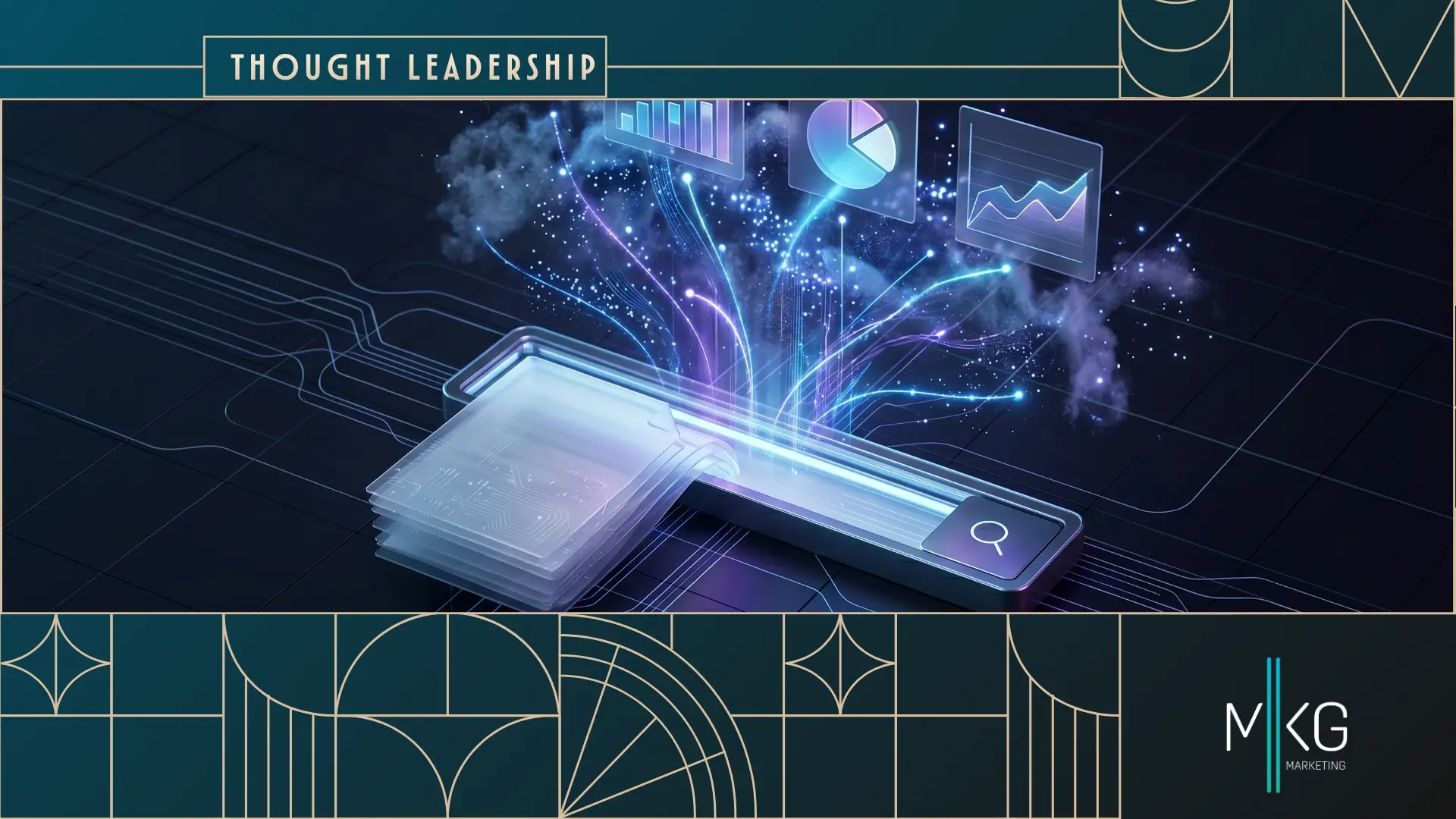
At Google I/O in mid-May, Google introduced what it calls the biggest change to the search box in 25 years. The standard box is turning into a dynamic terminal powered by Gemini 3.5 Flash. Users can now type in full business briefs, upload files, and hold back-and-forth conversations that remember past questions.
Google's internal data shows AI Mode has passed 1 billion monthly users. Conversational queries are averaging three times longer than old-school search terms, and planning-related searches are up 80% quarter-over-quarter.
How AI Overviews and Links Changed
A major mid-month update completely changed how Google gives credit to websites in AI answers, shifting how users click:
- Inline Source Links: Links have moved from the bottom of the answer and are now placed directly next to the exact sentence or data point the AI pulled from your site.
- Desktop Hover Previews: Hovering over an inline link now opens a preview card showing the site name, logo, and page title. Google added this to make users feel more secure about clicking; as a result, strong brand recognition instantly boosts click rates inside AI answers.
- The "Expert Advice" Carousel: AI Overviews now feature dedicated rows to highlight first-hand experiences, named experts, and community insights (from places like LinkedIn, Reddit, or forums), explicitly skipping standard corporate marketing copy.
The Paid AI Landscape: ChatGPT Search Ads
At the same time, the broader AI search landscape is expanding. OpenAI confirmed it will launch ad campaigns inside ChatGPT on June 5, 2026. For tech brands, this means you need a two-part plan: optimize organically for AI answers while getting ready for paid AI ad spaces.
Strategic Implications for Leaders
What to Ignore
- Daily Ranking Jumps: Don't let your marketing team panic or rewrite content while the May Core Update is still rolling out. Early ranking shifts change quickly and don't reflect where your site will actually land.
- The "Block All AI Crawlers" Trend: The debate over using llms.txt to block AI bots isn't practical for B2B or B2C SaaS companies looking to grow. Blocking these bots doesn't protect your brand; it just ensures your product is completely invisible to 1 billion AI Mode users.
Where to Pivot
- Write Content for Easy AI Extraction: Audit your high-intent product and features pages. Make sure your content uses clear, direct definitions, step-by-step guides, and clean data tables. This makes it easy for Gemini and Perplexity to read, digest, and cite your site.
- Use Real, Verifiable Authors: Get rid of generic "Marketing Team" bylines. Google's AI search prefers to pull from content tied to real, verifiable people with clear author schema. Every key piece of content should feature an author bio backed by proper Schema.org code.
- Turn Content into Visual and File Formats: Because the new search box lets users upload files and images, back up your technical text with clear, branded diagrams, charts, and video clips to capture visual spots in AI results.
Looking Ahead: The June Watch Item
Keep an eye on how your traffic settles after the May Core Update, and track the launch of ChatGPT Ads on June 5. Look at your analytics to separate traditional search clicks from AI referral traffic. Understanding the gap between these two will help you decide how to split your budget between traditional SEO and AI-focused content in the second half of the year.
Call to Action: Optimize for the Future
The updates from May 2026 make one thing clear: scaling a tech company through search isn't about ranking in a list of ten blue links anymore. It means making sure your brand shows up across traditional search, AI answers, and automated assistants.
Old SEO playbooks are losing traffic because they don't account for how AI pulls out sentences, verifies authors, or reads complex prompts. To keep your customer acquisition costs (CAC) low and your pipeline predictable, your team needs a modern Search Visibility Optimization (SVO) strategy.
How MKG Helps You Win in AI Search:
- GEO/AEO Gap Analysis: We analyze how your brand stands up in Gemini, Perplexity, and ChatGPT Search to find where competitors are taking your citations—and we fix your content to win them back.
- Technical Entity Setup: We update your site's backend code with precise Schema.org integrations (for your People, Products, and Organization) so AI assistants can read and trust your data.
- Full-Funnel Attribution: We separate your classic search clicks from new AI referral traffic, giving your executive team clear, fluff-free ROI numbers.
Stop guessing how AI is affecting your pipeline. Book a Discovery Call with the MKG SVO Team today to check your AI search footprint and protect your growth strategy.