What is AEO (Answer Engine Optimization) - A Complete Guide
March 15, 2026 • 11 minutes to readSearch is no longer a list of blue links; it is a conversation. As we move into 2026, the traditional goal of "ranking #1" is being superseded by the need to be the definitive answer. This shift is driven by Answer Engine Optimization (AEO), the strategic process of making your content the primary source for AI-generated responses.
What is Answer Engine Optimization?
Answer Engine Optimization (AEO) is the practice of structuring and optimizing digital content to be selected as the direct response to user queries by AI agents, voice assistants, and search engines. Unlike traditional SEO, which focuses on driving clicks to a webpage, AEO focuses on "zero-click" visibility, where your brand’s information is delivered directly to the user within the search interface or chat dialogue.
AEO vs. SEO vs. GEO: Defining the New Search Hierarchy
To master the modern landscape, you must understand the distinction between traditional search, answer engines, and generative models. While they overlap, their optimization "DNA" differs significantly.
Search Engine Optimization (SEO)
SEO remains the foundation. It focuses on technical health, backlink authority, and keyword relevance to rank pages in Search Engine Results Pages (SERPs).
- Primary Goal: Drive organic traffic and clicks to a website.
- Key Metric: Keyword rankings and Click-Through Rate (CTR).
Answer Engine Optimization (AEO)
AEO is a subset of SEO that targets "closed" queries—questions with specific, factual answers. It optimizes for Featured Snippets, Google's "People Also Ask," and voice assistants like Alexa or Siri.
- Primary Goal: Provide the immediate, authoritative answer to a specific question.
- Key Metric: Snippet ownership and "Zero-Click" impressions.
Generative Engine Optimization (GEO)
GEO is the newest evolution, focusing on Generative AI platforms like Perplexity, Gemini, and ChatGPT. It emphasizes "Information Gain"—providing unique data or perspectives that an LLM (Large Language Model) can synthesize into a long-form response.
- Primary Goal: Earn citations and brand mentions within AI-synthesized summaries.
- Key Metric: Citation frequency and Brand Sentiment in AI responses.
Comparison of Search Strategies for 2026
Feature | SEO | AEO | GEO |
User Intent | Browsing / Researching | Quick Fact-Finding | Synthesis / Problem Solving |
Content Format | Long-form articles | Q&A, Lists, Tables | Data-rich, authoritative reports |
Output Type | Ranked list of URLs | Featured Snippets / Voice | AI-generated paragraphs & Citations |
Primary Driver | Backlinks & Keywords | Schema & Conciseness | Expertise (E-E-A-T) & Information Gain |
How Experts are Optimizing for AEO
Modern optimization has evolved from "keyword density" to "extraction efficiency." Optimizing for Answer Engine Optimization (AEO) is no longer about simply making a page rank in a list of links; it is about making a page machine-consumable so that AI agents like Gemini, Perplexity, and SearchGPT can reliably cite it as a definitive source of truth. AEO is the second pillar of Search Visibility Optimization (SVO) — the framework that unifies SEO, AEO, and GEO into a single strategy for modern search.
The "Answer-First" Content Architecture
Experts use a "Question-Answer-Context" framework to guarantee inclusion in AI overviews. Every primary H2 or H3 heading is phrased as a direct user question, followed by a bolded, 40-to-60-word standalone answer paragraph. This "modular" approach ensures that even if an AI model only parses a single section of your page, it finds a complete, citable unit of value without needing to scan the entire document.
Advanced Tactical Blueprints for Answer Visibility
To stay ahead of the curve, AEO experts focus on four pillars of "machine-readability" that bridge the gap between human readers and AI crawlers:
1. Entity-Relationship Schema (JSON-LD)
Basic FAQ schema is now the bare minimum. Experts use Entity Schema to define the specific relationships between their brand and the broader industry knowledge graph.
- SameAs Attributes: Linking your "Organization" schema to official social profiles, Wikipedia entries, and third-party database records (like Crunchbase or G2) to prove your brand's legitimacy to AI crawlers.
- Knowledge Graph Reinforcement: Using about and mentions properties in Article schema to explicitly tell AI engines which industry "entities", concepts, people, or products—your content is discussing.
2. Information Gain & Proprietary Data
AI models are trained to ignore "me-too" content that simply restates what is already in their training sets. Experts prioritize Information Gain, the inclusion of unique data that cannot be found elsewhere.
- Original Research: Citing first-party surveys or proprietary case studies that provide new data points for AI to synthesize.
- Insider Tips: Including "Nuggets of Truth" or contrarian viewpoints from internal subject matter experts that differ from the generic consensus found in older training data.
3. Content Freshness and "Recency Cues"
Answer engines are heavily biased toward live web data to avoid serving outdated information. If your content appears stale, AI agents will pivot to a competitor with a newer timestamp or more recent data points.
- Dynamic Updating: Experts use a "Last Verified On" field rather than just "Published On" to signal active maintenance.
- Fact Audits: Regular reviews of statistics, pricing, and screenshots to maintain high "Truth Scores" within AI models.
4. Earned Media as AI Training Data
AI doesn't just read your website; it validates your claims by looking at what others say about you. This is known as Off-Site AEO.
- Digital PR: Securing mentions in high-authority publications because these are the "Trusted Sources" LLMs use to verify facts.
- Community Presence: Actively managing a brand presence on platforms like Reddit and Quora. AI engines increasingly crawl these communities for "human-validated" answers to conversational queries.
AEO Optimization Checklist
Strategy | Expert Execution | Why it Matters |
Header Phrasing | Use "How to," "What is," and "Vs" in H2s. | Mirrors natural conversational prompts and voice queries. |
Answer Placement | Keep the direct answer in the first 100 words of a section. | Prevents AI "hallucination" by providing immediate context. |
Data Visualization | Convert complex lists into Markdown tables. | Tables are significantly easier for AI to extract than standard prose. |
Author Authority | Link to detailed author bios with E-E-A-T credentials. | Proves to the engine that the "answer" comes from a human expert. |
What Content Types Get Cited Most?
Not all content is created equal in the eyes of an LLM. To be cited, your content must be "high-utility."
Structured Data and Tables
Research shows that AI models extract tabular data up to 5 times more efficiently than prose. If you are comparing products or listing specifications, use a Markdown table.
Question-and-Answer Sets
Direct Q&A pairs are the gold standard for AEO. By mirroring the exact phrasing of a user’s voice search or chat prompt, you increase the mathematical probability of being the "best fit" answer.
Step-by-Step Instructions
For "How-to" queries, numbered lists are essential. Ensure each step is a complete thought. If an AI pulls only Step 3, the user should still understand the action required.
Content Suitability for Answer Engines
Content Type | AEO Value | Why it Works |
Definitions | Very High | Direct match for "What is..." queries. |
Comparison Tables | High | Provides structured logic for AI to summarize. |
Numbered Lists | High | Ideal for process-oriented or "top 10" queries. |
Opinion Pieces | Low | Too subjective for factual answer engines. |
Original Research | Very High | Provides unique citations that LLMs crave. |
Key Performance Indicators (KPIs) for AEO
Tracking AEO success requires a shift from traditional session-based metrics to visibility and attribution metrics. In an environment where the answer is delivered directly on the SERP or within an AI chat interface, a lack of website clicks does not necessarily mean a lack of brand impact. You must measure how often your brand is the "chosen" voice for a query.
Why AEO Metrics Differ from Traditional SEO
The primary KPIs for AEO are Snippet and SGE/AI Overview Visibility, Citation Share, Zero-Click Impression Volume, and Entity Sentiment and Accuracy. These metrics track how often your content is extracted by an engine to answer a user's prompt without a click-through. Unlike SEO, which prioritizes traffic, AEO success is defined by "Brand Impression at the Point of Query," ensuring your company is the definitive source of truth in the AI's response.
Essential AEO Metrics to Track in 2026
To understand your performance in the answer-first era, monitor these four categories of data:
1. Snippet and SGE/AI Overview Visibility
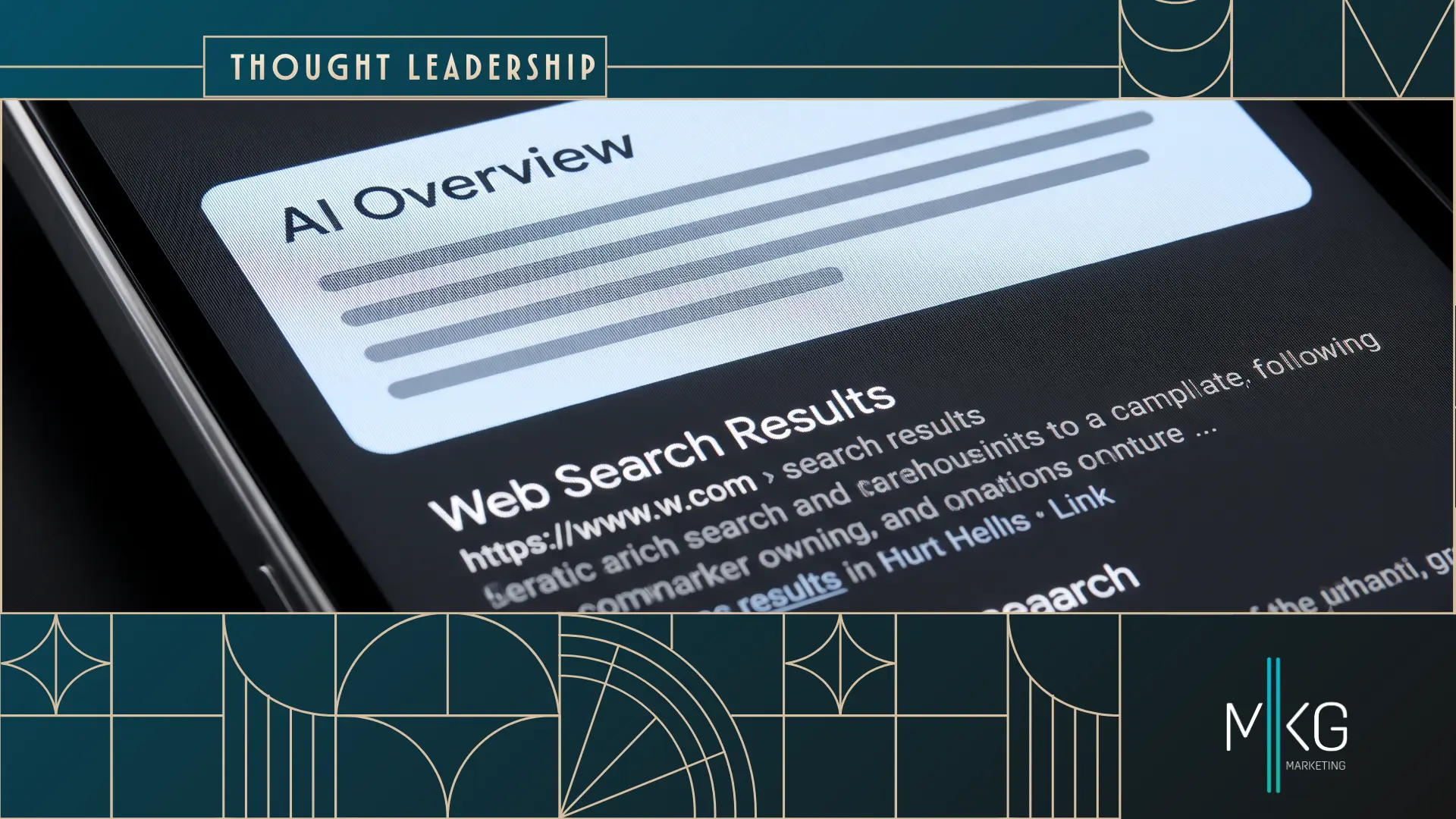
This tracks how often your content occupies the "Position Zero" or "AI Overview" box.
- Featured Snippet Ownership: The percentage of your target "Question" keywords where your domain provides the featured snippet.
- SGE/AI Overview Presence: How often your brand appears in Google’s generative summaries for high-intent industry queries.
2. AI Citation Share (Generative Engine Reach)
In platforms like Perplexity, Gemini, or SearchGPT, being cited is the new "Ranking #1."
- Citation Frequency: The number of times an LLM references your URL as a source in a generated response.
- Source Diversity: Tracking whether the AI cites your blog, your documentation, or your data tables, which helps identify which content format is most "extractable."
3. Zero-Click Impression Growth
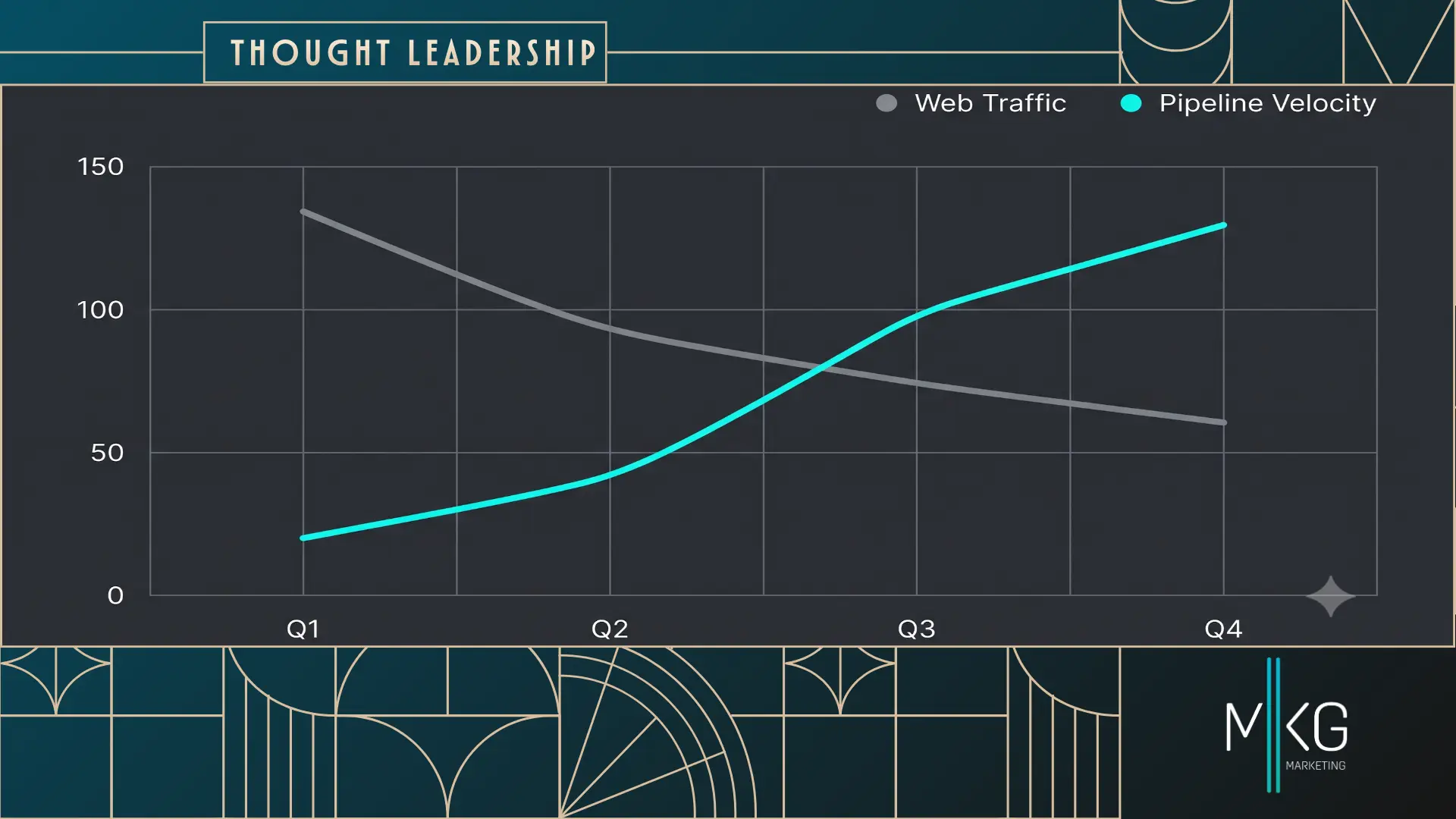
As AEO matures, "Clicks" will decline while "Impressions" may skyrocket.
- Visual Impressions: Monitored via Google Search Console, this shows how many users saw your brand name in an answer box even if they didn't visit your site.
- Assisted Brand Searches: A "Lagging Indicator" where users see your brand in an AI answer and later perform a direct search for your company name.
4. Entity Sentiment and Accuracy
Because answer engines synthesize information, you must monitor how you are being described.
- Sentiment Analysis: Using tools like Brandwatch or specialized AI trackers to ensure that when an engine cites you, the surrounding context is positive and authoritative.
- Fact Accuracy: Monitoring if AI engines are "hallucinating" or misrepresenting your product specs or pricing, which requires immediate Schema or content updates.
Typical AEO Platforms and Tools
Optimizing for answer engines requires a different toolkit than traditional rank tracking. You are no longer just monitoring a position; you are monitoring "extraction readiness" and "model influence."
The "Answer Engines" to Watch
- Google SGE / AI Overviews: The hybrid of traditional search and generative AI.
- Perplexity AI: The leading "answer engine" that prioritizes real-time web citations.
- SearchGPT / ChatGPT: OpenAI’s foray into direct search utility.
- Voice Assistants: Siri, Alexa, and Google Assistant, which rely heavily on AEO-structured data.
- Community Platforms: Reddit and Quora, which AI models increasingly crawl for "human-verified" answers.
Essential AEO & GEO Tools
- AirOps: A specialized platform for monitoring AI search visibility and automating the restructuring of content for better AI extraction.
- Semrush AI Visibility Toolkit: Provides insights into how LLMs represent your brand and which sources they cite for your target queries.
- Profound AI: An enterprise-level tool that tracks brand mentions and citation share across multiple AI models.
- HubSpot AI Search Grader: A free tool to assess how "findable" your brand is within generative search environments.
- Schema App: Advanced tool for implementing the complex JSON-LD structures required for deep AI understanding.
The Future of AEO in Search: What to Expect in 2026
The search landscape has moved beyond simple queries into an ecosystem of agentic discovery. By 2026, the focus has shifted from finding information to executing outcomes, requiring brands to be more than just "searchable," they must be "actionable."
- 25% Traffic Shift: Industry analysts predict that nearly a quarter of traditional organic search traffic will migrate to AI chatbots. Brands must focus on "Assisted Conversions" from AI citations rather than just direct site visits.
- The Rise of "Entity Authority": Search engines will rank brands based on their "Entity" strength, how often they are mentioned across the web in relation to specific topics. Your reputation on Reddit, LinkedIn, and industry journals will directly impact your AEO performance.
- Personalized Answer Engines: AI will begin generating answers based on the user's specific history and preferences. AEO will require creating "modular" content that can be adapted for different user personas in real-time.
FAQs
What is the difference between AEO and traditional SEO?
Traditional SEO focuses on ranking a website to earn a click, while AEO focuses on providing a direct answer within the search interface. SEO targets broad keywords and user journeys, whereas AEO targets specific, intent-driven questions to win featured snippets and voice search responses.
How long should an AEO answer paragraph be?
The ideal length for an AEO "Answer Paragraph" is between 40 and 60 words. This length is optimized for Google’s featured snippet algorithm and provides enough context for a voice assistant to read aloud without being too long for a mobile screen.
Will AEO replace traditional SEO in 2026?
No, AEO will not replace SEO, but it will become an essential layer of it. While AEO handles quick facts and "zero-click" queries, traditional SEO is still required for complex research, transactional shopping, and deep-dive educational content where users prefer to browse a full site.
Does schema markup affect AEO rankings?
Yes, schema markup is a critical signal for AEO. It provides "semantic" meaning to your content, helping answer engines identify entities, relationships, and the specific intent of your data. Without schema, an AI may misinterpret your content, leading to lower citation rates.
What is Generative Engine Optimization (GEO)?
GEO is a specialized strategy for appearing in AI-synthesized responses from models like ChatGPT or Perplexity. It focuses on earning citations by providing "Information Gain"—unique data, expert insights, and highly structured facts that LLMs can easily reference when building a response.
How do I measure the success of an AEO strategy?
Success in AEO is measured through "Zero-Click" impressions, featured snippet ownership, and AI citation frequency. Tools like Google Search Console track snippet impressions, while specialized tools like AirOps or Semrush monitor how often your brand appears in AI-generated overviews.
Is voice search the same as AEO?
Voice search is one of the primary delivery methods for AEO content. When a user asks a smart speaker a question, the device usually pulls the "Answer Engine Optimized" result (the featured snippet). Optimizing for AEO naturally improves your visibility in voice search.
What types of content are best for AEO?
The best content types for AEO are factual, structured, and direct. This includes definitions, FAQ sections, comparison tables, and numbered "how-to" lists. Avoid using overly creative or "fluffy" language, as it makes it harder for AI to extract the core answer.
Can small businesses compete in AEO against large brands?
Yes, AEO is actually a "great equalizer" for small businesses. Because AI engines prioritize the best and most direct answer rather than just the most authoritative domain, a well-optimized page from a niche expert can often beat a generic page from a global corporation.
How often should I update content for AEO?
AEO content should be reviewed at least quarterly. AI engines favor "Freshness" and factual accuracy. If your data becomes outdated, AI models will quickly pivot to a competitor who provides more recent statistics or updated industry information.