What is GEO (Generative Engine Optimization) - A Complete Guide
March 1, 2026 • 11 minutes to readAs traditional search evolves into a conversational dialogue, the goal of digital marketing has shifted. It is no longer enough to rank blue links on page one; your brand must become the authoritative source that powers the AI’s response. This guide provides the architectural blueprint for dominating the generative search landscape.
What is GEO?
Generative Engine Optimization (GEO) is the strategic process of structuring, verifying, and distributing content to ensure it is cited, summarized, and prioritized by AI-driven answer engines like Gemini, Perplexity, and ChatGPT.
While traditional SEO focuses on algorithms that rank pages, GEO focuses on systems that synthesize information. These engines—such as Google’s AI Overviews, Perplexity, and ChatGPT Search—don't just point to a website; they read multiple sources, extract atomic facts, and rewrite them into a cohesive answer. To succeed in GEO, your content must be extractable. This means providing data in a format that a machine can instantly parse, trust, and attribute back to your brand.
Example of GEO in Practice
Traditional SEO targets a ranking for the query best CRM for small business, resulting in a clickable link to your blog post. GEO focuses on providing the specific data—such as a comparison table of pricing and a unique Ease of Use score—that a generative engine like Gemini extracts to build its own answer. If the AI responds with, According to [Your Brand], the best CRM for small business is X because of its unique Y feature, you have successfully optimized for GEO.
The Core Components of GEO
A successful GEO strategy relies on three functional pillars: Information Gain, Structural Clarity, and Technical Connectivity.
To earn citations in 2026, content must go beyond summarizing existing web data. Generative engines prioritize sources that provide Information Gain—the addition of new, unique data or expert perspectives that are not already present in their training sets. The effectiveness of this content depends on how clearly it is structured for machine retrieval.
1. Information Gain and Unique Data
AI models are designed to minimize redundancy in their responses. If multiple sources provide the same general explanation, the engine will prioritize the one that includes a specific statistic, a proprietary case study, or a unique expert quote.
- Action: Include original survey results, internal data points, or specific industry observations in every major section to differentiate your content from common knowledge.
2. Semantic Chunking and Fragment Optimization
Generative engines typically retrieve specific fragments of a page rather than the entire URL. By chunking your content into self-contained modules, you ensure that if an AI pulls only a single paragraph or table, that information remains accurate and citable without the surrounding context.
- Action: Use Answer Paragraphs (40–60 words) immediately following each H2 header to provide a concise summary that the AI can extract as a standalone unit.
3. Technical Connectivity (Schema & Entity Mapping)
Schema markup serves as a direct bridge between human-readable text and an AI’s database. While FAQ schema is common, using Dataset, Organization, and Person schema helps generative engines map your content to established entities within their knowledge graphs.
- Action: Implement comprehensive JSON-LD for all data-heavy elements to ensure the AI correctly identifies the author, the source, and the specific facts presented.
GEO vs. AEO: Understanding the Difference
AEO (Answer Engine Optimization) focuses on being the immediate answer to a specific question, while GEO (Generative Engine Optimization) focuses on being the primary source for synthesized, multi-source summaries.
AEO (Answer Engine Optimization) and GEO (Generative Engine Optimization) differ primarily in how they deliver information to the user. AEO is designed for direct retrieval; its goal is to provide a single, concise answer to a specific question, like a definition or a how-to step, often to win a voice search or a featured snippet. Both disciplines are pillars of Search Visibility Optimization (SVO), MKG's integrated framework for showing up wherever buyers are searching.
GEO, however, is designed for synthesis. It focuses on providing comprehensive data that an AI can combine with other sources to create a multi-paragraph summary. While AEO seeks to be the only answer, GEO seeks to be the primary source cited within a complex, generated response.
Feature | Answer Engine Optimization (AEO) | Generative Engine Optimization (GEO) |
Primary Goal | Win the Featured Snippet or Voice Result | Earn citations within a synthesized AI response |
Content Type | Short, direct Q&A; definitions; "How-to" steps | Comprehensive guides, original research, data tables |
Mechanism | Exact match or close semantic match to a query | RAG (Retrieval-Augmented Generation) across topics |
Success Metric | Position Zero / Voice Search share | Citation frequency and Brand Mentions |
Platform | Google Snippets, Alexa, Siri | Perplexity, Gemini, ChatGPT, SGE |
The Main GEO Platforms Today
The GEO landscape is dominated by three distinct ecosystems: Google Gemini, OpenAI’s ChatGPT, and Perplexity AI.
Each platform has a personality in how it selects sources. Understanding these nuances allows you to tailor your content for the engine most relevant to your industry.
Google Gemini & AI Overviews
Google prioritizes Brand-Owned content. Research shows that over 50% of Gemini citations come from the brand’s own website or Google Business Profile.
- Strategy: Maintain high E-E-A-T (Experience, Expertise, Authoritativeness, Trustworthiness) on your primary domain.
ChatGPT Search
ChatGPT leans heavily on Consensus and Aggregators. It frequently cites third-party review sites (G2, Yelp, TripAdvisor) and high-authority news outlets to validate its answers.
- Strategy: Focus on Off-Page GEO by earning mentions in industry directories and reputable publications.
Perplexity AI
Perplexity is the Researcher's Engine. It favors niche expertise, academic-style citations, and technical documentation (including PDFs).
- Strategy: Publish deep-dive whitepapers and technical guides with clear, footnote-style references.
How SEO Experts Optimize for GEO
Modern optimization strategies treat website content as a structured database of facts rather than a simple narrative.
Optimization for 2026 requires a technical approach that prioritizes extractability. SEO experts focus on creating content that serves both human readers and the retrieval-augmented generation (RAG) systems used by AI engines.
The Answer-First Architecture
Every major heading should be followed by a concise, bolded summary. This provides the AI with a pre-formatted snippet that can be lifted directly into a generative response without the engine needing to summarize complex text.
- Method: Place a 40–60 word definitive statement immediately under the H2. This statement should include the primary keyword and a specific factual claim.
Fact Density over Word Count
In traditional SEO, word count was often used as a proxy for completeness. In GEO, Fact Density is the primary metric. An article with ten unique, verifiable data points in 500 words is more likely to be cited than a 3,000-word article that relies on generic introductory text.
- Method: Remove fluff and introductory filler. Replace broad claims with specific data, expert attributions, and technical specifications that an AI can use as a grounding source.
Technical Entity Mapping
SEO experts use advanced Schema markup to connect website content to established real-world entities. By explicitly defining authors, organizations, and datasets in the site's code, you help generative engines verify the credibility of the information.
- Method: Implement Person, Organization, and Dataset Schema to link your content to reputable external databases and social profiles. This reduces the AI's "uncertainty" and increases the trust score of your data.
Types of Content Cited in GEO Answers
Generative engines prioritize structured, verifiable data over long-form prose.
To increase your citation rate, organize your content into modular units that are easy for an AI to extract. AI models use Retrieval-Augmented Generation (RAG) to find specific facts that support their generated answers. By using the following formats, you make your data more accessible to these systems.
Comparison Tables
Use Markdown tables to display features, pricing, or specifications. Tables allow AI models to pull multiple variables simultaneously without interpreting complex sentence structures. Providing data in rows and columns reduces the processing cost for an AI to compare your product against a competitor, making it more likely that the engine will use your specific data points in a summary.
Expert Attributions
Include direct quotes with the speaker’s name, job title, and a link to a verifiable profile (such as LinkedIn). AI engines use these to verify the authority and credibility of a claim. In 2026, generative models cross-reference names against their internal knowledge graphs; a quote attributed to a recognized expert carries more weight than an anonymous statement.
Statistical Bullets
List data points and figures in bulleted format. Quantitative facts (e.g., 15% increase in efficiency) are primary targets for AI extraction because they provide concrete evidence for a response. Engines like Perplexity specifically look for atomic facts to serve as footnotes, and isolated bullets are easier to cite than statistics buried in the middle of a long paragraph.
Named Frameworks
Give your specific processes a unique name (e.g., "The XYZ Method"). When an AI summarizes a process, it uses these names to credit the original source of the methodology. Creating a proprietary name for a workflow helps the AI categorize your brand as a Primary Creator of information rather than just a distributor of common knowledge.
Technical Snippets
Include structured data like JSON-LD, code blocks, or API documentation. This provides the AI with machine-ready information that requires less processing to understand. For technical or B2B audiences, providing clear code samples ensures that AI agents (like GitHub Copilot or ChatGPT) can accurately represent your technical specifications to developers.
Content Type Quick-Reference
Content Type | Primary GEO Benefit | Best Platform Fit |
Markdown Tables | High Information Density | Google AI Overviews |
Expert Quotes | Increases E-E-A-T Score | ChatGPT Search |
Statistical Bullets | Drives Fact Extraction | Perplexity AI |
Named Frameworks | Earns Brand Mentions | All (Brand Awareness) |
KPIs for Measuring GEO Success
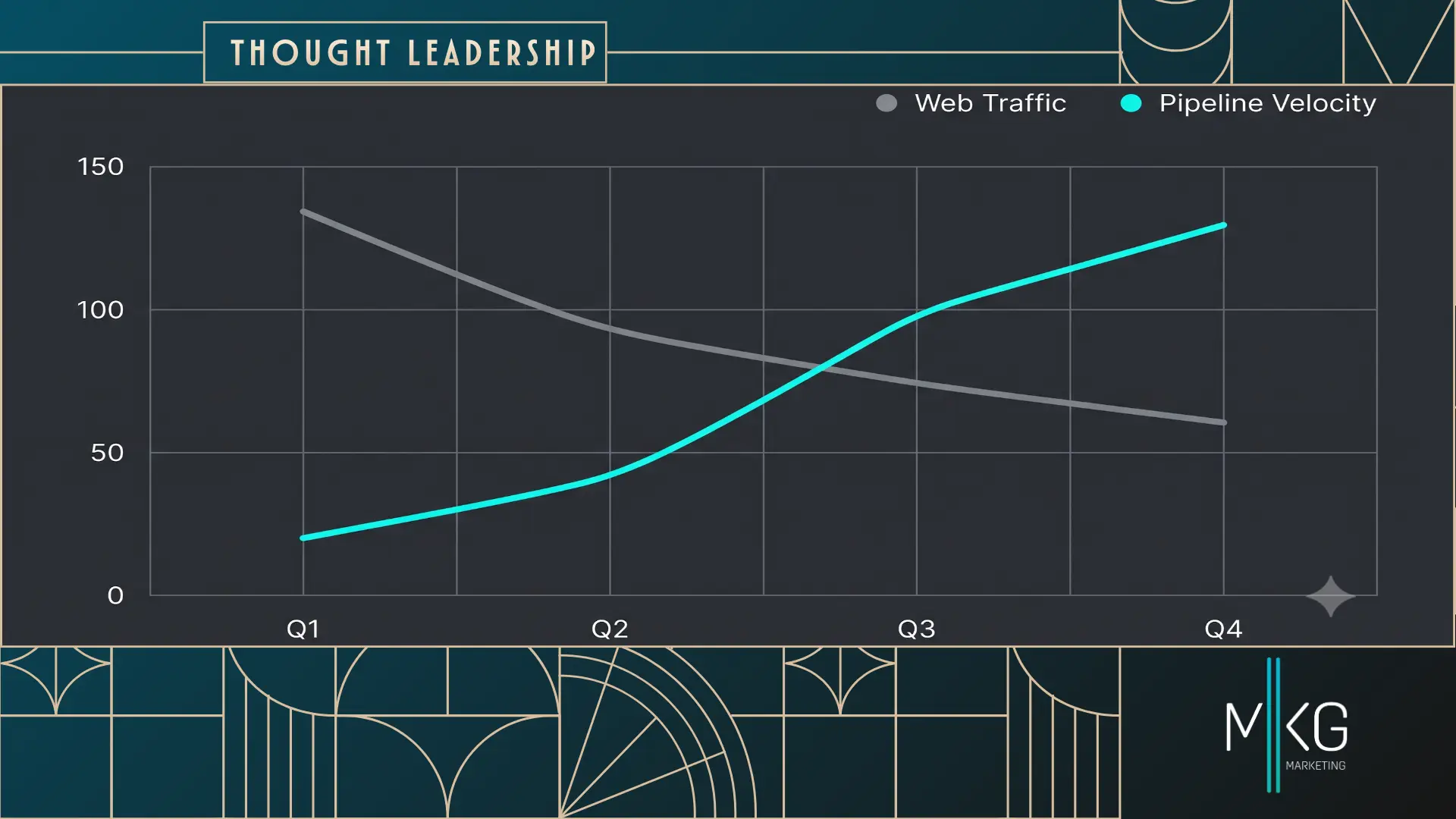
In 2026, SEO performance is measured by Share of Model and citation frequency rather than traditional clicks.
As generative engines move toward Zero-Click environments, the traditional funnel is being replaced by a brand impression model. If an AI mentions your brand as the top recommendation, you have gained visibility even if the user does not click through to your site. SEOs must now report on how often their content serves as the source for an AI's response.
- AI-Generated Visibility Rate (AIGVR): This tracks the percentage of time your brand or content appears in an AI-generated summary for your target keyword clusters. This is the new "Share of Voice" for the generative era.
- Citation Rank and Position: This measures where your link is placed in the AI response. Are you the Primary Source (linked within the first paragraph) or a Secondary Reference (listed in a "Sources" sidebar or footnote)? Primary sources typically receive significantly higher referral traffic.
- Brand Sentiment and Accuracy: This involves auditing AI responses to ensure the engine accurately describes your products or services. In 2026, managing how an AI perceives and summarizes your brand is as critical as managing the website content itself.
- AI Agent Referral Traffic: Use GA4 to track specific referral paths from chat.openai.com, perplexity.ai, and gemini.google.com. While the volume may be lower than traditional search, these visitors often have higher conversion rates because they have already been "vetted" by the AI's recommendation.
- Assisted Conversions via Schema: This metric uses UTM parameters within your Schema-linked URLs to track users who enter your site through a specific AI-driven citation and eventually complete a goal or purchase.
The Future of GEO: What to Expect in 2026
By 2026, GEO will shift from Content Optimization to Reputation Management across the entire digital ecosystem. If you're ready to start earning AI citations now, explore MKG's GEO services or learn how GEO fits into the broader SVO framework.
We are moving toward a Post-Website era where an AI might interact with your brand's data on Reddit, YouTube, or a niche forum without ever visiting your site.
- Multi-Modal GEO: AI will cite your YouTube videos and podcast transcripts as frequently as your blog posts.
- Personalized Retrieval: AI answers will change based on the user's past behavior. GEO will require "Persona-Based" content that addresses different skill levels (Beginner vs. Expert).
- Real-Time Fact Checking: Engines will use Live Web tools to verify your claims instantly. Accuracy will be the ultimate ranking factor.
FAQs
What is the difference between SEO and GEO?
SEO (Search Engine Optimization) focuses on ranking a specific URL in a list of search results to drive clicks. GEO (Generative Engine Optimization) focuses on ensuring that an AI model understands your content well enough to include it as a cited source within a synthesized, conversational answer.
How do I track my GEO performance?
Tracking GEO requires specialized tools like Geoptie or Peec AI, or manual Prompt Audits. You should track how often your brand name is mentioned in AI responses for your top 50 industry queries and whether those mentions include a link back to your site.
Does GEO replace traditional SEO?
No. Traditional SEO provides the foundation (crawlability, site speed, and backlinks) that allows AI engines to discover your content. GEO is an additional layer of optimization that focuses on the structure and fact-density of that content for AI consumption.
Why is Schema markup important for GEO?
Schema markup acts as a structured fact sheet for AI. It helps LLMs identify specific entities, such as authors, prices, and organizations, without having to guess based on context. This increases the trust score of your data.
What is "Information Gain" in the context of GEO?
Information Gain is the inclusion of new, unique information that hasn't been published elsewhere. AI engines are programmed to provide the most helpful answer; if your content offers a unique statistic or a fresh perspective, it is more likely to be cited than a generic article.
Can I use AI to write my GEO-optimized content?
You can use AI for drafting, but AI-only content often lacks Information Gain. To win at GEO, you must inject human expertise, original data, and unique brand insights that an AI wouldn't find in its training data.
Is Reddit important for GEO?
Yes. Platforms like Perplexity and ChatGPT heavily cite community discussions from Reddit and niche forums because they represent authentic human experience. Engaging in these communities can boost your brand’s visibility in AI answers.
What is the "Answer Paragraph" technique?
This technique involves placing a concise, 40–60 word direct answer immediately under an H2 heading. It is designed to be easily scraped by an AI engine looking for a quick summary to present to a user.
How often should I update my content for GEO?
Freshness is a major signal for generative engines. You should update your high-value pillar pages at least once a quarter to ensure that all statistics, dates, and tool recommendations remain current and accurate.
Will GEO reduce my website traffic?
In some cases, yes, because users get their answers directly from the AI. However, the traffic you do receive will be higher intent, as users who click through are looking for the deep-dive details that only your full article can provide.